Explaining osteoporosis and bone density results after a wrist fracture - GP

CurtinYear 510 min + 2 min readingMusculoskeletal & rheumatologyStandardPre-internship
  • Focused history
  • Full Mx
  • Explain results

Ready

2 min reading, 10 min station, warning at 2 min

Focus the timer and press Space to start or pause.

Station - Instructions for candidate

You are an intern in a general practice.

Katerina Georgiou is a 68-year-old postmenopausal woman who fractured her left wrist after a fall at home three weeks ago. She has come to review the results of her bone density scan. The fracture is healing well in plaster cast, which is due to be removed next week. A DEXA scan of her spine and hip has been arranged and the results are available for discussion.

Wrist fracture detailsLeft distal radius and ulna fracture from fall from standing height at home; mechanism minimal trauma; healing well in plaster cast; due for removal in one week.

Results provided:

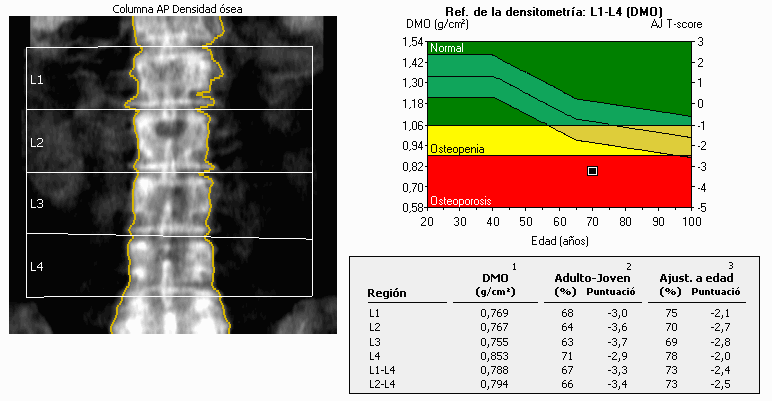
DEXA bone density scan

DEXA bone density scan
ItemValueReference range
Lumbar spine T-score-2.8>-1.0 normal; -1.0 to -2.5 osteopenia; <-2.5 osteoporosis
Left femoral neck T-score-2.3>-1.0 normal; -1.0 to -2.5 osteopenia; <-2.5 osteoporosis

imaging other - read aloud by the examiner

Dual-energy X-ray absorptiometry (DEXA) scan of the lumbar spine and hip. The scan shows reduced bone mineral density at both sites. T-scores are -2.8 at the lumbar spine and -2.3 at the left femoral neck, consistent with osteoporosis according to WHO diagnostic criteria. No other fractures are visible on the scout images.

Look up an example image: Radiopaedia DEXA osteoporosis postmenopausal

Your tasks are to:

  1. Take a focused history to identify risk factors for osteoporosis and assess current falls risk.
  2. Explain the DEXA scan results to the patient and discuss the diagnosis.
  3. Outline a comprehensive management plan including medication, lifestyle modifications, falls prevention and follow-up.
  • You do NOT need to examine the patient.
  • You do not need to summarise your findings to the examiner.

This is a 10-minute station, with 2 minutes of reading time.

Generated by AI for practice; check doses and pathways against eTG / AMH before relying on them.